
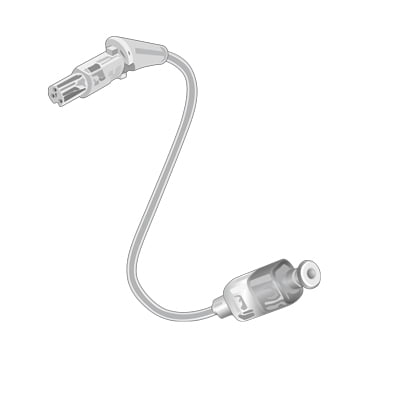
Philips receiver
Philips receivers, also called speakers, are the core sound-delivery component in Philips receiver-in-canal – RIC – hearing aids. If your hearing aid produces weak sound, distortion, crackling, or no sound at all despite a fresh battery and clean wax filter, the receiver is often the cause. Replacing the receiver restores direct sound output into the ear canal and can immediately return your hearing aid to full performance.
On this page, you will find compatible MiniFit receivers in three power levels – 60, 85, and 100 – designed for selected Philips hearing aids.
Choose the correct power level – 60, 85 or 100
Philips MiniFit speakers are available in different output strengths to match your programmed amplification and level of hearing loss. Selecting the correct power level is essential to maintain proper fitting and sound balance.
MiniFit Speaker 60 is typically used for mild hearing loss and lower amplification settings.
MiniFit Speaker 85 supports moderate hearing loss and is one of the most commonly used power levels.
MiniFit Speaker 100 is designed for stronger amplification needs and more significant hearing loss.
You should always choose the same power level as your current receiver unless your hearing care professional has adjusted your fitting.
When should a Philips receiver be replaced
Receivers sit inside the ear canal and are exposed daily to earwax, moisture, and temperature changes. Over time, this exposure can affect sound quality and internal speaker components. Common signs that replacement is needed include reduced volume, intermittent sound, distortion, or complete signal loss.
Most users replace their receiver every 1 to 2 years, depending on wearing time, earwax production, and maintenance routine. If replacing the wax guard does not restore sound clarity, the receiver is likely worn and should be changed.
For users with thin tube systems instead of receiver wires, see our Philips thin tubes category.
Length and fit
MiniFit receivers are available in different wire lengths to ensure the hearing aid sits comfortably behind the ear. The correct length prevents pulling, slipping, and discomfort. Always match the number marking on your existing receiver when ordering a replacement. After installing a new receiver, attach a fresh dome and wax guard to ensure optimal sound clarity and hygiene.
Protect your receiver with proper maintenance
Regular cleaning and timely wax guard replacement significantly extend receiver lifespan. Moisture control also plays a critical role. Daily care reduces internal stress on the speaker unit and preserves sound stability.
For full care guidance and cleaning recommendations, visit our Philips maintenance page.
Help everyday at Japebo
Replacing a worn receiver is often the fastest and most cost-effective way to restore your Philips hearing aid’s sound performance. Choosing the correct MiniFit speaker ensures your device continues to deliver the amplification it was programmed for.
If you are unsure which MiniFit receiver – 60, 85, or 100 – matches your hearing aid, contact us at info@japebo.com, and we will help you identify the correct version.
FAQ – Philips receivers
How do I know if my receiver is defective?
If your hearing aid has low or distorted sound even after replacing the battery and wax guard, the receiver is likely worn and should be replaced.
Can I switch from 60 to 85 or 100 for stronger sound?
No. The power level must match your programmed hearing aid fitting. Changing it without professional adjustment may affect sound balance.
How long does a MiniFit receiver last?
Most receivers last between 1 and 2 years, depending on maintenance, earwax levels, and daily usage.